
  Currency in thirteenth century England consisted of pounds, shillings and pence. There were 12 pennies in a shilling and 20 shillings in a pound (or ‘tower pound’, to give it its full name), so 240 pennies in a pound. |
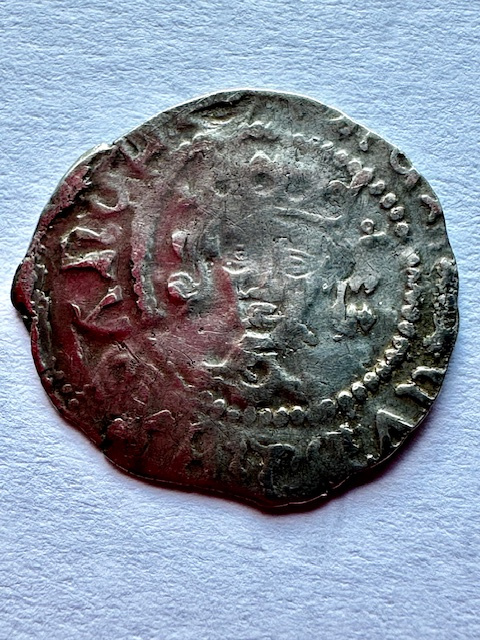
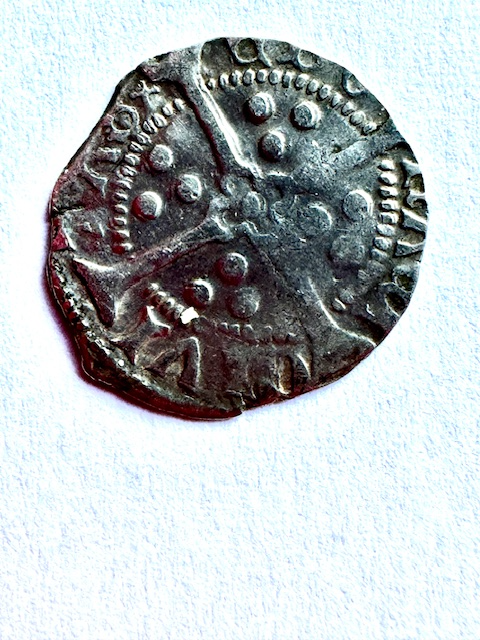
| But the only coins in circulation were silver pennies. Marks, shillings and pounds were used to record amounts of money used in sales, rents and purchases, but these were not available as coins. Before 1279, silver pennies were often cut in half (half-pennies) or in quarters (farthings) so as to allow trading for smaller amounts of money, or combinations of fractions of coins. From 1279, half-pennies and farthings were minted as separate coins, but the silver penny was still the main currency in general circulation. If you had to pay a merchant the sum of one pound (a huge amount of money), you would actually hand over 240 silver pennies. ‘Clipping’ was a problem: unscrupulous people might clip a small piece of silver from the edge of the penny. The coin was now under weight and therefore worth less than it should have been. To prevent this, the ‘Long Cross’ penny was introduced in 1247. Prior to this, the cross on the reverse of the coin had its arms ending well short of the perimeter. This earlier version became known as the ‘Short Cross’ penny. From 1247, the arms of the cross extended to the very edge of the coin. The images above show both sides of a Long Cross silver penny from the time of Edward I (r.1272-1307). |
