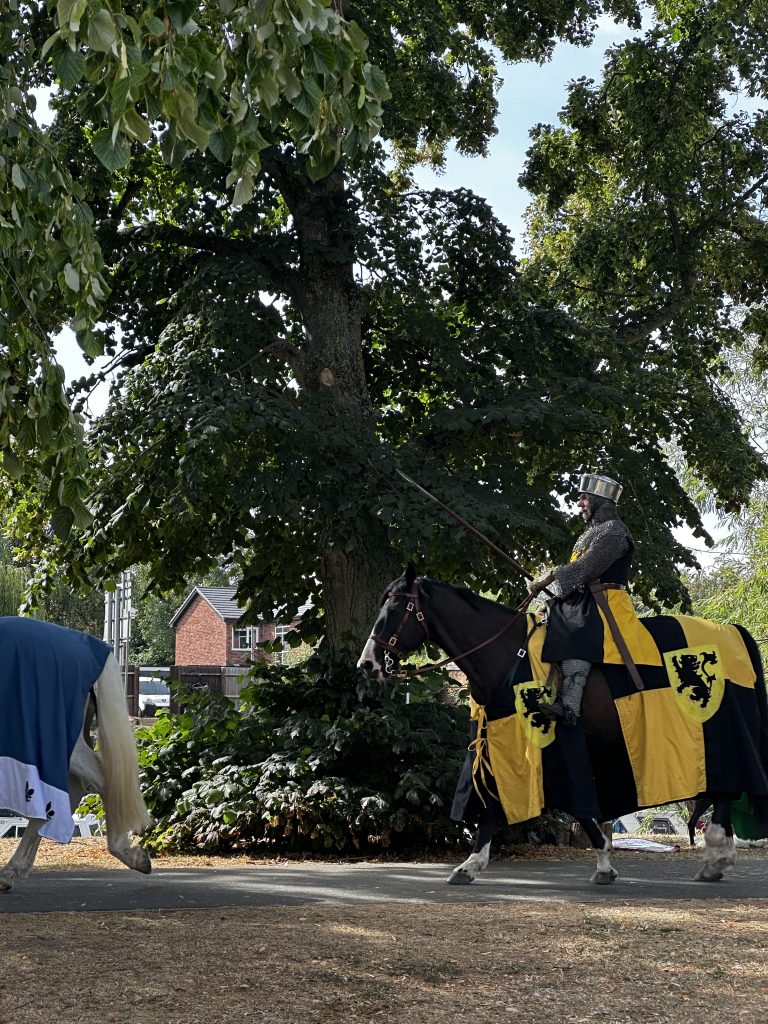
I’ve just returned from a medieval festival in which the Battle of Evesham is recreated in the town where it took place in August 1265.
In 1265, the battle was between the King of England (Henry III) and Simon de Montfort, the Earl of Leicester, backed up by a large number of English barons and their armies.
At Lewes in Sussex, in 1264, the barons won and the king was taken prisoner. At Evesham, fifteen months later, the situation was reversed. De Montfort was killed, the barons were slaughtered and the King of England was reinstated.
Now, last weekend, the re-enactors were good! There were horses. Arrows flew through the air. There was a lot of noise and shouting and the appearance of chaos – genuine battle vibes!
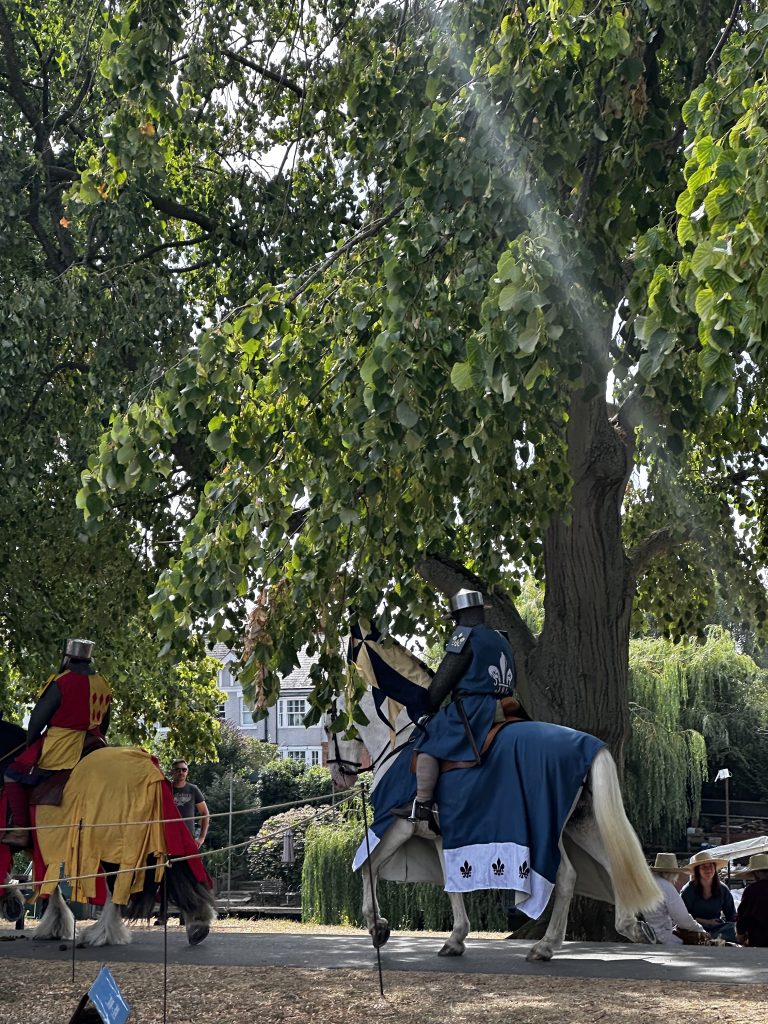
But, of course, it wasn’t real. Nor was it in exactly the right place, and nor did it have the vast armies of thousands. So it was fun for the spectators (and, probably, even more fun for those taking part!) – but what was thirteenth century warfare really like?
Well, it wasn’t simply banners unfurled beneath a clear sky, with knights charging in glittering ranks while trumpets sang. More often, it was mud, confusion, hunger, and fear – and moments of sudden, terrible violence.
Yet within that chaos, there was structure. Warfare followed patterns shaped by land, season, politics, and the limits of human endurance. The battles were only a small part of medieval warfare. In between the battles came the marching, the watching and the waiting.
The Nature of War
In this period, wars were seldom fought for annihilation. Lords sought advantage – land, tribute, loyalty – not wholesale destruction. Campaigns were usually seasonal, beginning in late spring and ending before winter closed the roads and emptied the granaries.
Armies were not standing forces but gatherings of obligation. A lord called his vassals; they arrived with their men, bound by feudal duty. Service was limited – often forty days – after which soldiers expected either payment or release. This alone shaped strategy. A commander could not linger indefinitely. Decisions had to be made within the narrow window that time allowed.
Arms and Armour
A mounted knight in full mail was a formidable presence. His horse, trained for war, was as much a weapon as the sword he carried.
But knights were few. The backbone of any army lay in its infantry: spearmen, billmen, and archers. These men wore little armour – perhaps a padded gambeson, sometimes a simple helmet – and carried weapons that were practical rather than noble.
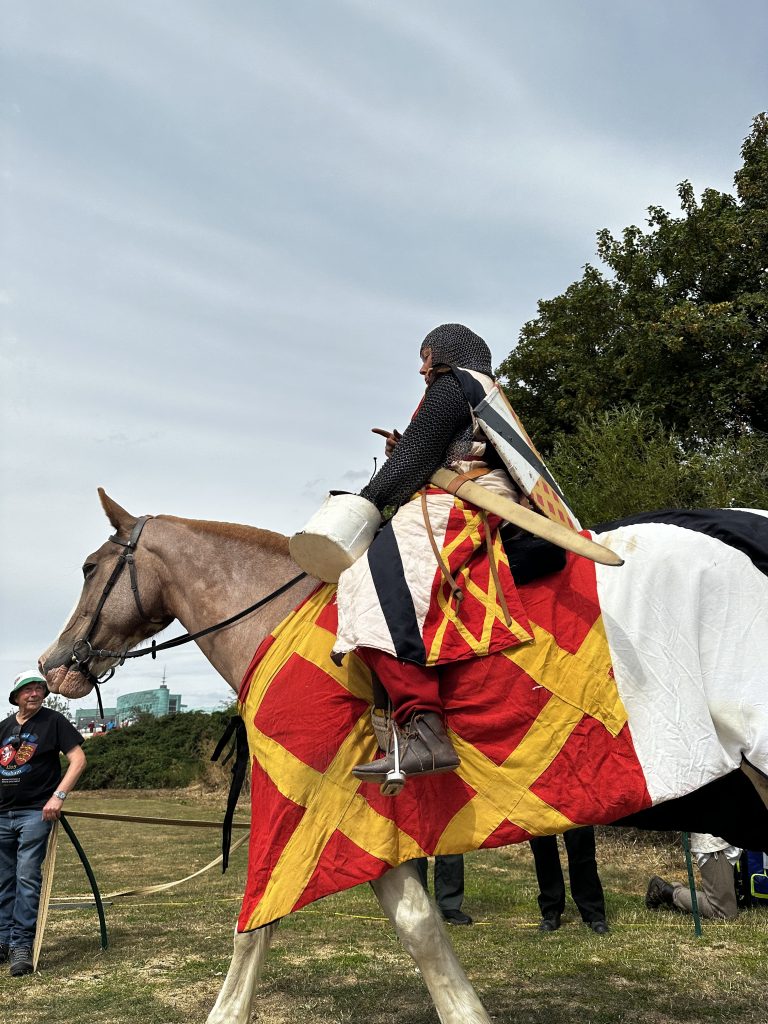
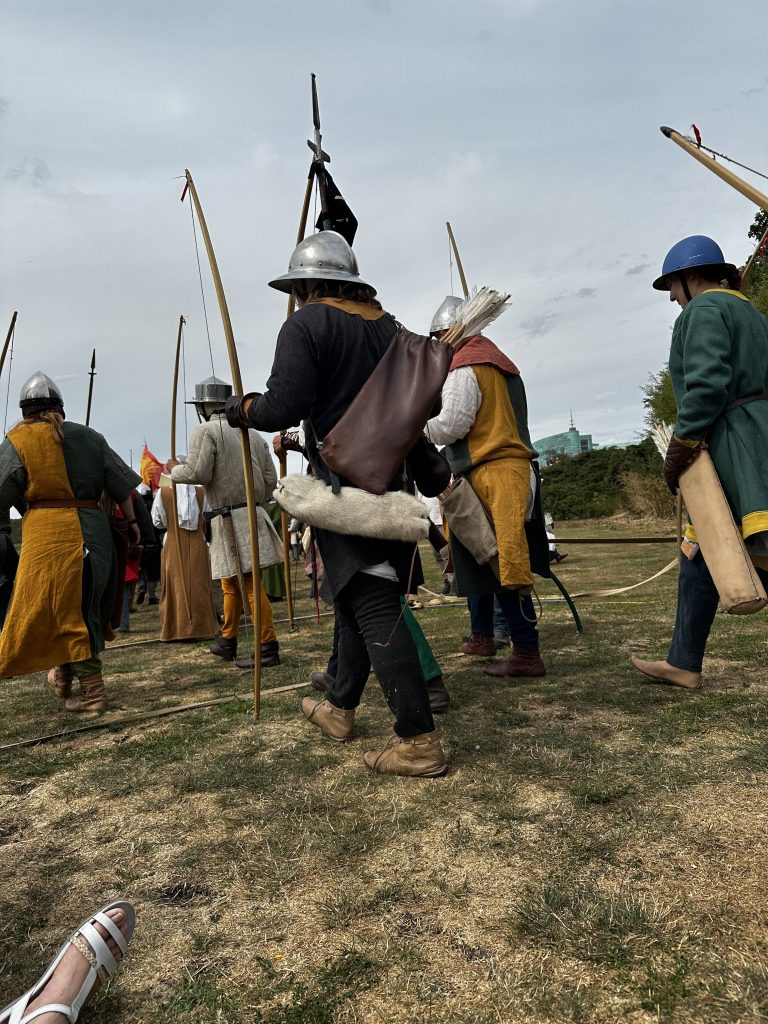
The spear was king among these. Cheap, versatile, and deadly in formation, it could stop a cavalry charge if held firm. The sword, by contrast, was a sidearm; a mark of status as much as a weapon.
Then there was the crossbow. Slow to load, but powerful enough to pierce armour at close range, it changed the balance of the battlefield. A well-placed bolt could bring down even a mounted knight, which is why crossbowmen were feared – and, sometimes, despised.
Tactics and the Shape of Battle
Commanders sought position above all else. High ground mattered, and so did terrain, such as rivers, woods and marshes. A wise leader would force his enemy to attack across difficult ground, breaking their formation before the lines even met.
One of the clearest examples is the Battle of Lewes in 1264. There, the forces of Simon de Montfort took the high ground and used it to devastating effect against King Henry III. The royal army, attacking uphill, lost cohesion. Once that happened, the outcome was almost inevitable.
Formations were crucial. Infantry might form dense lines or blocks with their shields overlapping. Cavalry, when used properly, struck at weak points – flanks, or gaps opened by missile fire.
But even the best plans could unravel. Dust, noise, and the sheer press of men made communication difficult. Once engaged, control slipped quickly from a commander’s hands.
Skirmishes and Ambush
Not all warfare took place in open battle. Small-scale fighting, such as skirmishes, raids and ambushes were often more decisive in the long run. A supply train cut off, a scouting party destroyed, a bridge held or burnt – these could shape an entire campaign.
Ambush, in particular, was a favoured tactic in broken or wooded terrain. The Welsh, for example, used it to great effect against English forces. At the Battle of Orewin Bridge, on 11th December 1282, Llywelyn ap Gruffudd was drawn into a vulnerable position and killed, a moment that effectively ended native Welsh resistance. War, therefore, was often decided not by strength alone, but by timing, deception, and knowledge of the land.
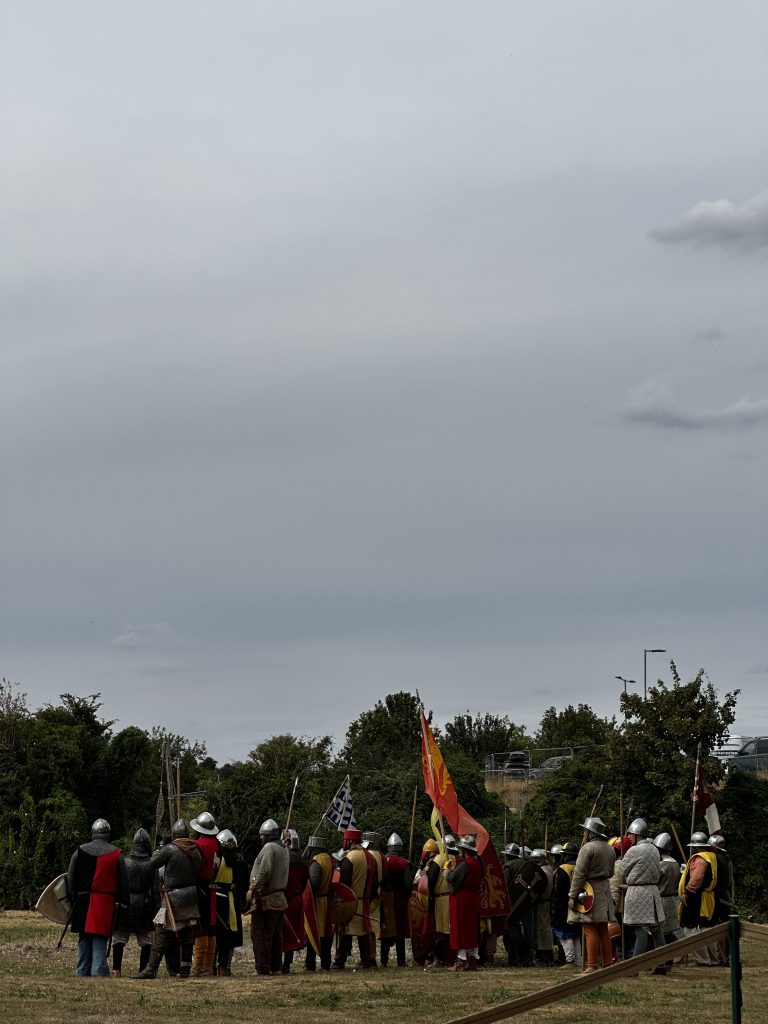
Sieges: The True Test of War
Battles could be swift and brutal – but sieges were slow and grinding.
The military landscape of the thirteenth century was defined by castles. Were they fortified residences, or residential fortresses? Either way, they exerted authority over a region. To take a castle was to take the land around it.
Sieges could last weeks, months, or even years. Attackers built engines: trebuchets and mangonels. These were used to batter walls or hurl stones over them. Soldiers dug mines beneath foundations, seeking to collapse entire sections. This was called “undermining”.
Defenders, meanwhile, relied on height, stone, and patience. Arrows and bolts rained down on attackers. Supplies were rationed carefully. Every day held was a small victory, but often it was starvation which decided the matter. A garrison might endure assault after assault, only to surrender when food ran out.
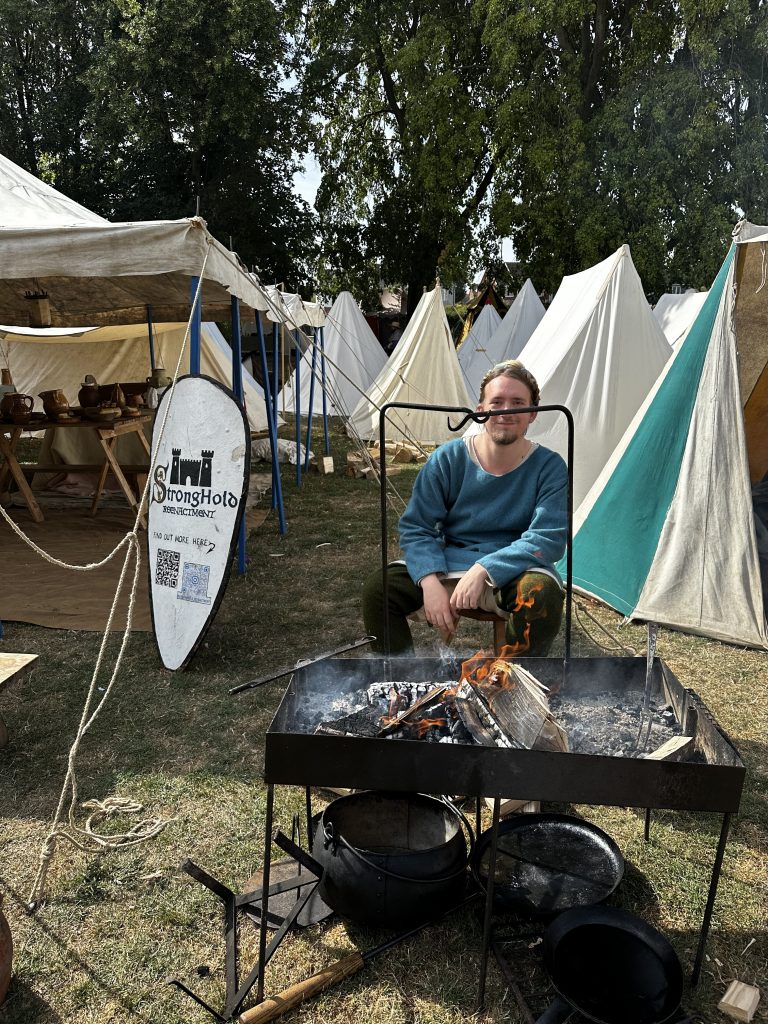
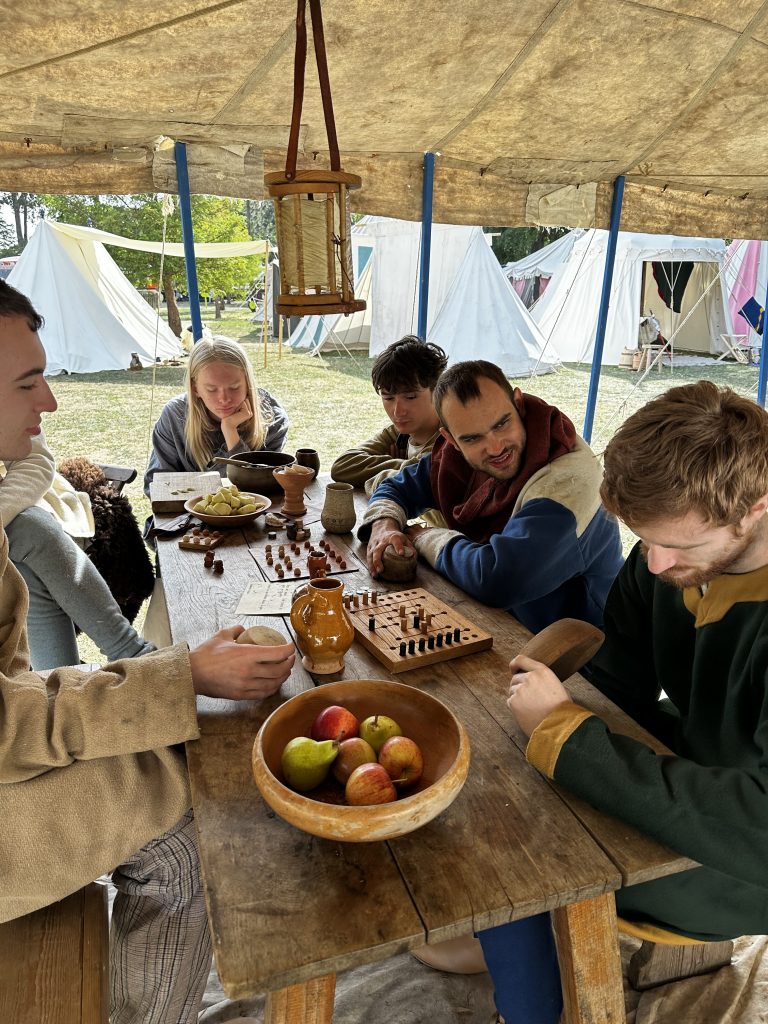
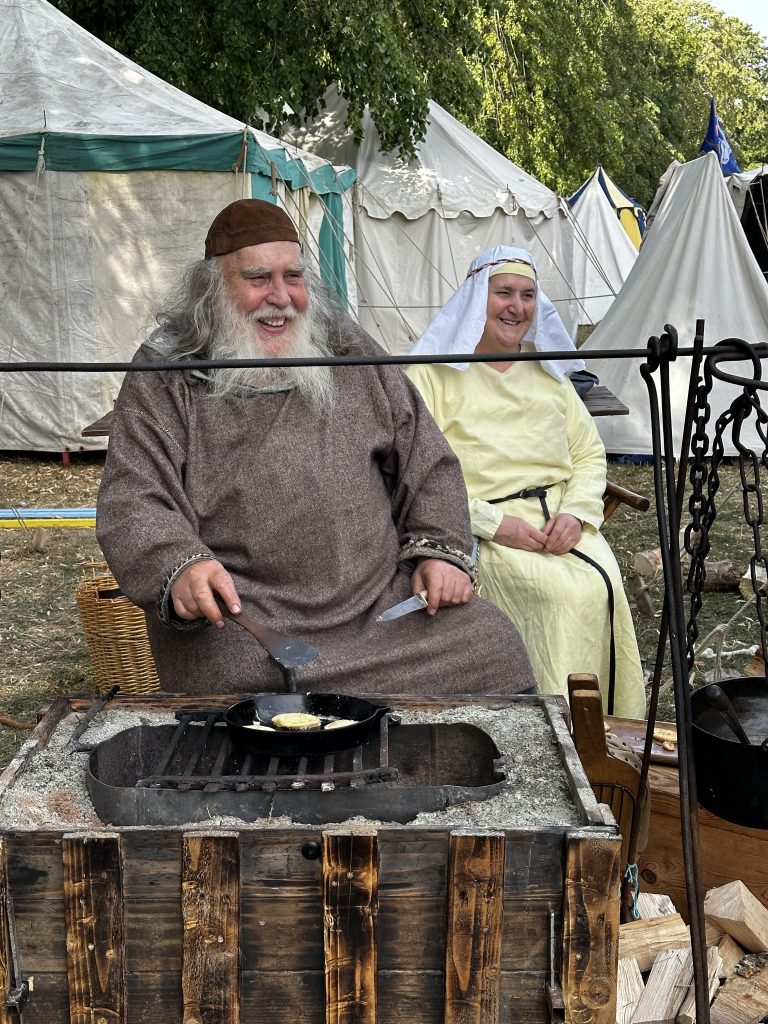
Re-enactors don’t just recreate battles. They often provide “living history” camps, with food cooked over open fires, canvas tents pegged out for sleeping quarters – a fascinating and authentic glimpse into the daily life of an army and its camp followers.
Defeat, Retreat and Survival
Victory was never guaranteed. Armies retreated as often as they advanced.
A retreat could be orderly, such as a planned withdrawal to stronger ground, or it could become a rout, where discipline collapsed and men fled for their lives. The difference lay in leadership and morale.
Defeat was rarely final unless a leader was captured or killed. More often, it was a setback – the campaign might be lost, but not the war. Men regrouped, lords negotiated and alliances shifted.
You could say that survival was often the true measure of success. To preserve your people, to withdraw intact, was sometimes wiser than to press a battle to its bloody conclusion.
The Human Element
It is easy to speak of tactics and arms, but war was, at its heart, a human experience.
Men marched for days with little food. They slept in the open, in rain and cold. They feared not just the enemy, but disease, injury, and the slow grind of exhaustion.
Then, when battle came, it was close and personal. There was no distance, no abstraction. You could see the face of your enemy. You could hear him breathe, shout and cry.
When we look back at thirteenth-century warfare, we should not romanticise it. There was courage, certainly; skill, too, and moments of honour. But there was also confusion, suffering, and loss.
Chronicles tell of victories and defeats, of kings and princes, tactics and outcomes. In my novels, though, I’ve tried to portray my battle scenes from the point of view of those who fought for their lives, their friends’ lives, their land or their honour.
In some ways, this is harder than merely giving the facts as we know them; but in other ways it’s easier, because the emotions experienced during a fight to the death are the same, no matter when that fight occurs. Just talk to any veteran.
I write historical fiction set within a carefully researched medieval framework, and I am open about where history ends and invention begins. Each volume in Tales of Castle Rory concludes with an Author’s Note, explaining which elements are historically attested, which are fictional extensions of the record, and which move deliberately into fantasy. The stories are rooted in real medieval experience – with the workings left visible.
